

Appropriate materials, designs and technologies for safe and reliable LNG operations
The cryogenic temperatures needed in the LNG industry, both for the process of liquefaction and storage, can wreak havoc with pumps, bearings and bushings. Pipes and tanks need to be perfectly insulated too, in order to avoid losses in temperature and the greatly decreased efficiency it creates. In this article, we will cover everything you need to know to make your flow systems as safe and reliable as possible.
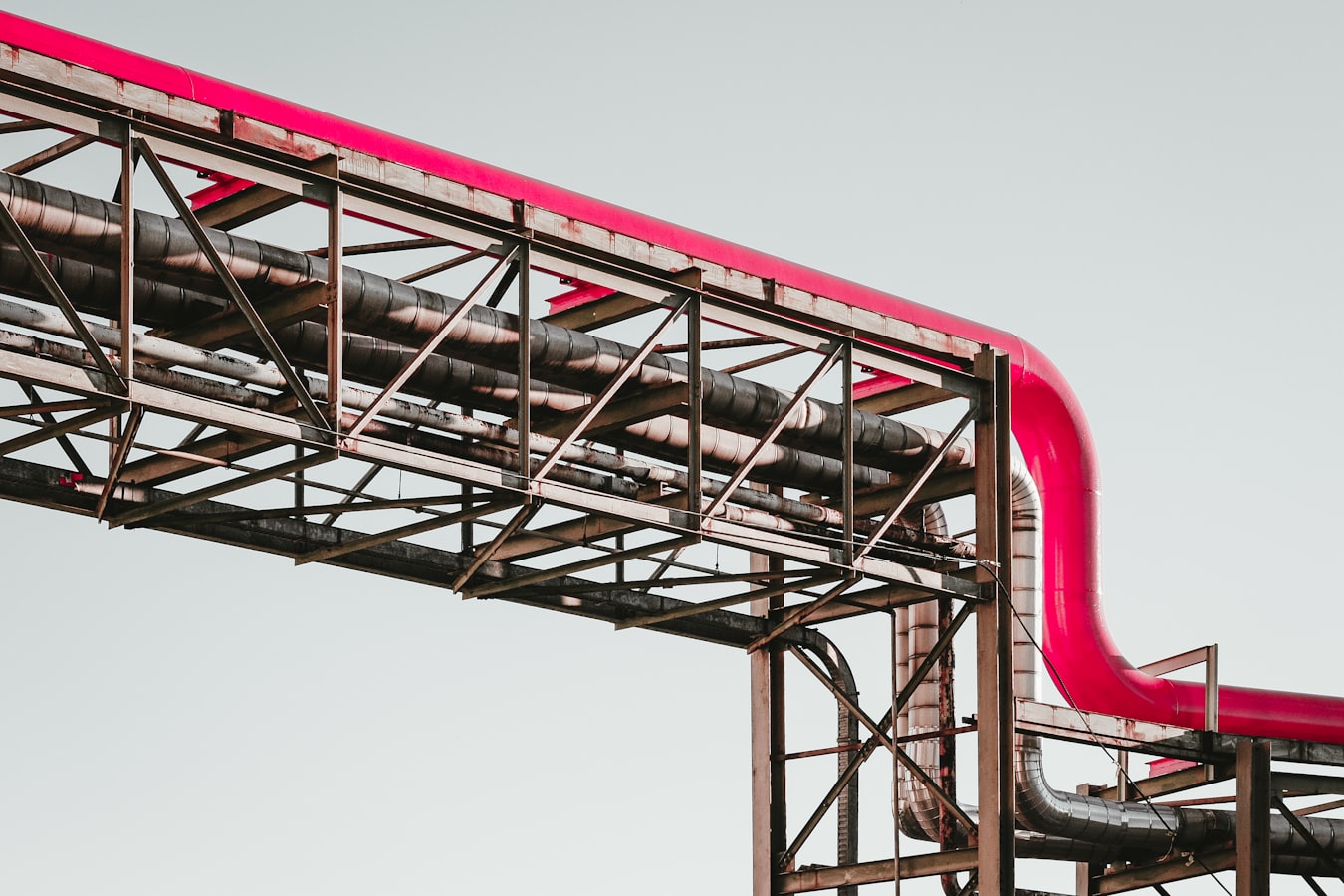
Photo by Martin Adams on Unsplash
The first and foremost thing to consider, in order of importance, is materials. The designs or technologies you use will be irrelevant if you are using suboptimal or inappropriate materials. Polymer materials, for example, which are used extensively in many modern pumping and bearing applications, can perform poorly in LNG. They are often prone to cracking and shattering in extremely cold environments, and will not last long in LNG pumping duty. In order to avoid shaft seizure, materials able to stand extreme conditions are needed.
The problem with LNG pumping is twofold: it presents both extremely low operating temperatures, and very low viscosity and lubricity. Thus, selecting materials carefully is paramount. Let us examine these two issues separately and try to find solutions:
- Low temperatures. Materials like iron and steel, so commonplace in centrifugal pumps and other pumping components, become weak and brittle when subjected to low-temperature environments. Hybrid materials are one possible solution. A few options have surfaced in the past years, using materials like ceramic, but they have not seen much deployment yet.
- Low viscosity. Low temperatures raise the viscosity of traditional oils and grasses, which can lead to excessive friction. Most other traditional lubricants cannot be used either, because the hydrodynamic film they create to protect metal components is insufficient when dealing with low-viscosity fluids. Using self-lubricating components is the best option in this case.
